Evidence
The numbers that made us build this
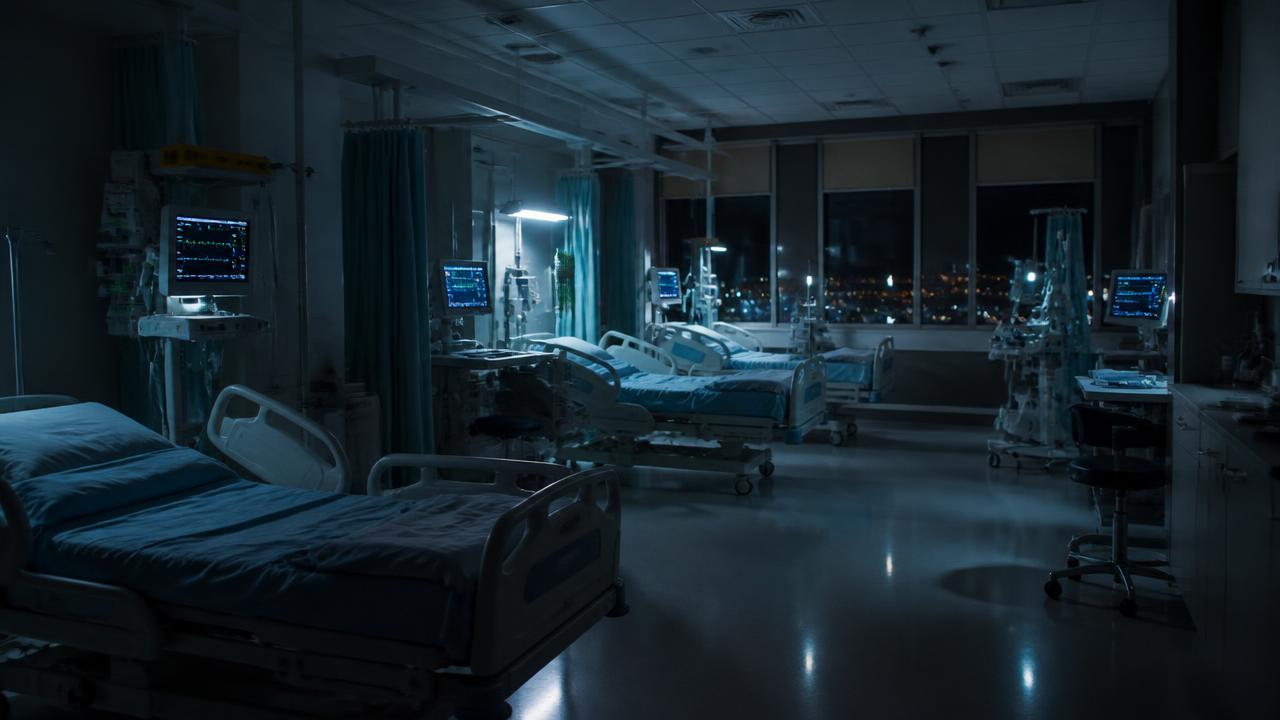
Alarm burden in intensive care is measured in the hundreds per bed per day, and the overwhelming majority of those alarms carry no clinical action. Desensitisation is the predictable result.
Key figures
ICU alarm burden at a glance
| Metric | Figure | |
|---|---|---|
| False / non-actionable alarm rateof ECG monitor alarms are false or clinically insignificant | 85–99% | of ECG monitor alarms are false or clinically insignificant |
| Alarms per bed per dayaudible alarms in a typical ICU | ~187 | audible alarms in a typical ICU |
| Alarms per nurse per shiftacross all bedside devices | ~1,000 | across all bedside devices |
| Alarm-related deathsreported to the FDA between 2005 and 2008 | 566 | reported to the FDA between 2005 and 2008 |
| Nursing response rateof all alarms receive a response; only 59% of red (critical) alarms do | 30% | of all alarms receive a response; only 59% of red (critical) alarms do |
Figures compiled from published ICU alarm-fatigue literature, AAMI alarm-safety reporting and FDA MAUDE adverse-event data (2005–2008).
Consequence
What alarm fatigue costs a unit
Every unnecessary alarm spends a finite resource: clinician attention.

Delayed recognition
Genuine arrhythmias and hypotension are noticed later, after the patient has already deteriorated.
Desensitisation
Staff learn that alarms usually mean nothing, so response rates fall even for red alerts.
Workload and burnout
Roughly a thousand alarms per nurse per shift fragments attention and drains limited manpower.